In the contemporary landscape of remote work and virtual collaboration, Microsoft Teams has emerged as a cornerstone platform for businesses worldwide. As a dedicated supplier of Microsoft Teams headsets, I am often asked about the availability of headsets with multi - point connection capabilities for this popular communication tool. In this blog post, I will delve into the world of multi - point connection headsets for Microsoft Teams, exploring their features, benefits, and how they can enhance your Teams experience.
Understanding Multi - Point Connection
Multi - point connection is a technology that allows a headset to connect to multiple devices simultaneously. This means you can switch between different devices, such as a laptop, smartphone, or tablet, without having to manually disconnect and reconnect the headset. For users of Microsoft Teams, this feature can be incredibly useful, especially in a hybrid work environment where you might need to switch between your work laptop and personal phone during a single day.
Benefits of Multi - Point Connection Headsets for Microsoft Teams
- Enhanced Flexibility: With a multi - point connection headset, you can seamlessly transition between your computer for work on Microsoft Teams and your phone for personal calls. This flexibility is particularly valuable for those who work from home or in a dynamic work environment.
- Increased Productivity: You don't have to waste time disconnecting and reconnecting your headset when switching between devices. This allows you to focus on your tasks and conversations on Microsoft Teams, leading to increased productivity.
- Convenience: Multi - point connection headsets eliminate the need for multiple headsets. You can use one headset for all your devices, reducing clutter and making your work setup more streamlined.
Availability of Multi - Point Connection Headsets for Microsoft Teams
The market for Microsoft Teams headsets is vast, and there are indeed headsets with multi - point connection capabilities available. These headsets are designed to work seamlessly with Microsoft Teams, providing high - quality audio and a range of features to enhance your communication experience.
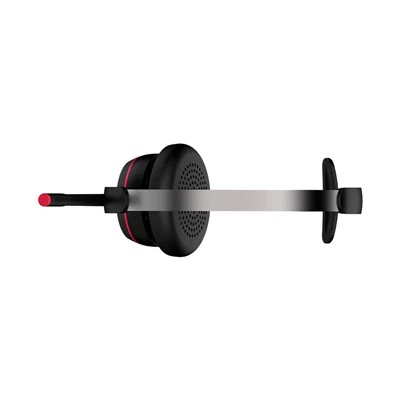
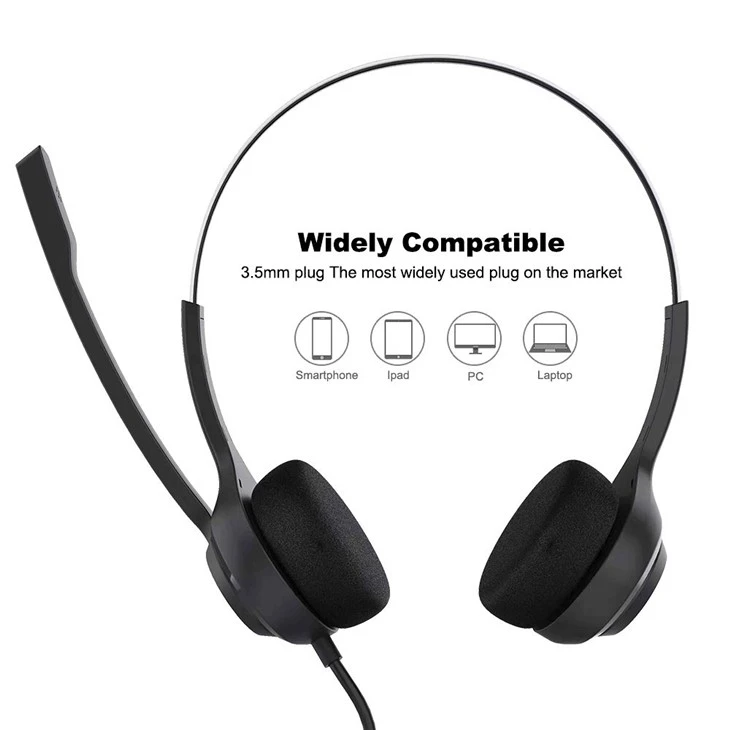
For example, our Wired Teams Headset Dual Ear Noise offers a reliable connection and excellent noise - cancellation features. It is compatible with Microsoft Teams and can be used in a multi - point setup, allowing you to connect to multiple devices at once.
Another option is our Microsoft Teams Headsets, which come in a variety of styles and configurations. Some of these headsets support multi - point connection, giving you the flexibility to switch between devices effortlessly.
Our USB Headset for Microsoft Teams is also a great choice. It offers a simple and convenient way to connect to your computer and other devices, and some models support multi - point connection for added versatility.
Features to Look for in Multi - Point Connection Headsets
- Audio Quality: High - quality audio is essential for clear communication on Microsoft Teams. Look for headsets with noise - cancellation technology to reduce background noise and ensure that your voice is heard clearly.
- Comfort: Since you may be wearing the headset for long periods, comfort is crucial. Choose headsets with adjustable headbands, soft ear cushions, and lightweight designs.
- Battery Life: If you opt for a wireless headset, consider the battery life. A long - lasting battery will ensure that you can use the headset throughout the day without having to worry about recharging.
- Ease of Use: The headset should be easy to pair with your devices and switch between them. Look for headsets with intuitive controls and clear indicators.
How Multi - Point Connection Works with Microsoft Teams
When using a multi - point connection headset with Microsoft Teams, the process is relatively straightforward. First, you need to pair the headset with your computer and any other devices you want to connect to. Once paired, you can switch between devices by using the headset's controls or the device's settings.
For example, if you are in a Microsoft Teams meeting on your laptop and need to take a call on your phone, you can simply switch the audio output to your phone using the headset's controls. This allows you to continue the conversation without missing a beat.

Case Studies: Real - World Use of Multi - Point Connection Headsets in Microsoft Teams
Let's take a look at a couple of real - world examples of how multi - point connection headsets are being used with Microsoft Teams.
Case Study 1: A sales team member works from home and uses Microsoft Teams for client meetings. They have a multi - point connection headset that is paired with their work laptop and personal phone. During a client meeting on Microsoft Teams, they receive a personal call on their phone. They can easily switch the audio to their phone, take the call, and then switch back to the Microsoft Teams meeting without any disruption.
Case Study 2: A project manager is in charge of a remote team and uses Microsoft Teams for team meetings and collaboration. They have a multi - point connection headset that is connected to their laptop and tablet. They can switch between devices depending on their location and the task at hand, ensuring that they are always connected and able to communicate effectively.
Conclusion
In conclusion, there are indeed headsets with multi - point connection capabilities available for Microsoft Teams. These headsets offer a range of benefits, including enhanced flexibility, increased productivity, and convenience. As a supplier of Microsoft Teams headsets, we are committed to providing high - quality products that meet the needs of our customers.
If you are interested in purchasing a multi - point connection headset for Microsoft Teams, we invite you to explore our range of products. Our team of experts is available to answer any questions you may have and help you find the perfect headset for your needs. Contact us today to start the procurement process and take your Microsoft Teams communication to the next level.
References
- Microsoft Teams official documentation
- Industry reports on headset technology and trends